You used to play naturally and confidently, but recently your performance has taken a noticeable dip. You’re training well and doing everything right, but in games, nothing clicks. Simple skills feel off, your timing is gone, and the harder you try to fix it, the worse it seems to get.
A performance slump isn’t just physical, it’s a shift in attention, thinking, and confidence that pulls you away from your best.
At its core, a slump is about where your focus goes. We only have a limited amount of attention, and performance depends on directing it to the right things in the moment. When that attention drifts, performance drops.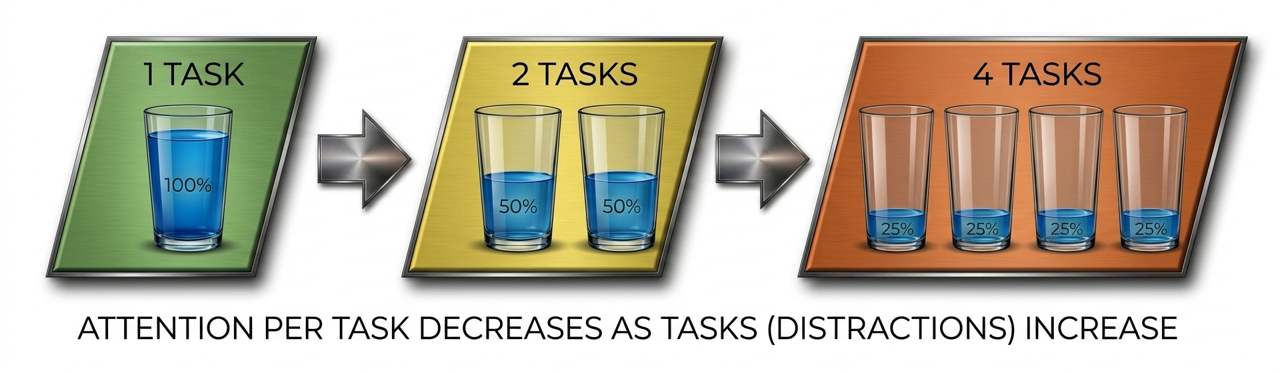 Three common factors drive this:
Firstly, increased pressure creates intrusive thoughts, like fear of failure, self-doubt, or worrying about results. Instead of focusing on the task, your mind jumps to “what if I mess up?” or past mistakes. This disrupts timing, decision-making, and execution.
Secondly, there’s what people often call “trying too hard”. Under pressure, athletes often shift from automatic skills to consciously controlling movements. Skills that once felt natural become forced and mechanical, leading to overthinking and hesitation.
Finally, slumps often lead to reduced confidence. A poor performance or setback can quickly snowball, changing how you approach competition. You may hesitate, play it safe, or second-guess decisions. This creates a cycle, where lower confidence leads to poorer performance, which further lowers confidence.
Three common factors drive this:
Firstly, increased pressure creates intrusive thoughts, like fear of failure, self-doubt, or worrying about results. Instead of focusing on the task, your mind jumps to “what if I mess up?” or past mistakes. This disrupts timing, decision-making, and execution.
Secondly, there’s what people often call “trying too hard”. Under pressure, athletes often shift from automatic skills to consciously controlling movements. Skills that once felt natural become forced and mechanical, leading to overthinking and hesitation.
Finally, slumps often lead to reduced confidence. A poor performance or setback can quickly snowball, changing how you approach competition. You may hesitate, play it safe, or second-guess decisions. This creates a cycle, where lower confidence leads to poorer performance, which further lowers confidence.
Performance slumps don’t just stay in sport, they affect how athletes think, feel, and behave.
A common impact is a loss of enjoyment. What used to feel exciting can start to feel stressful or draining. Confidence also takes a hit, with athletes questioning themselves and hesitating in key moments. This often shows up as slower decisions, overthinking, or avoiding risks. Emotionally, frustration and anxiety tend to increase. Some athletes become overly critical, constantly replaying mistakes, while others lose motivation or consistency. Training can shift too, either doing too much in an attempt to “fix” things or struggling to stay engaged. Socially, slumps can feel isolating. Athletes may withdraw from teammates or feel misunderstood by coaches who focus purely on technical corrections. The pressure to “snap out of it” can make things worse, reinforcing the internal struggle rather than resolving it. Most importantly, slumps tend to feed themselves. Poor performance increases pressure, which increases anxiety and overthinking, making performance worse. Without the right approach, this loop can continue longer than expected.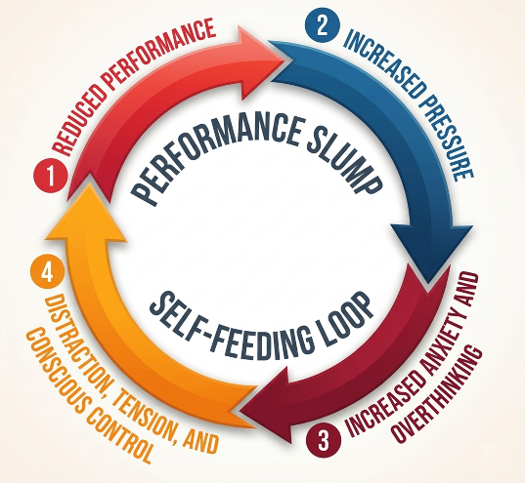
In sport psychology, the goal isn’t just to fix performance, it’s to rebuild the conditions that allow performance to happen naturally.
The first focus is improving attentional control and the ability to shift your focus back on the present moment. Strategies like cue words, routines, and mindfulness help strengthen your ability to refocus, reduce overthinking and allow skills to become automatic again.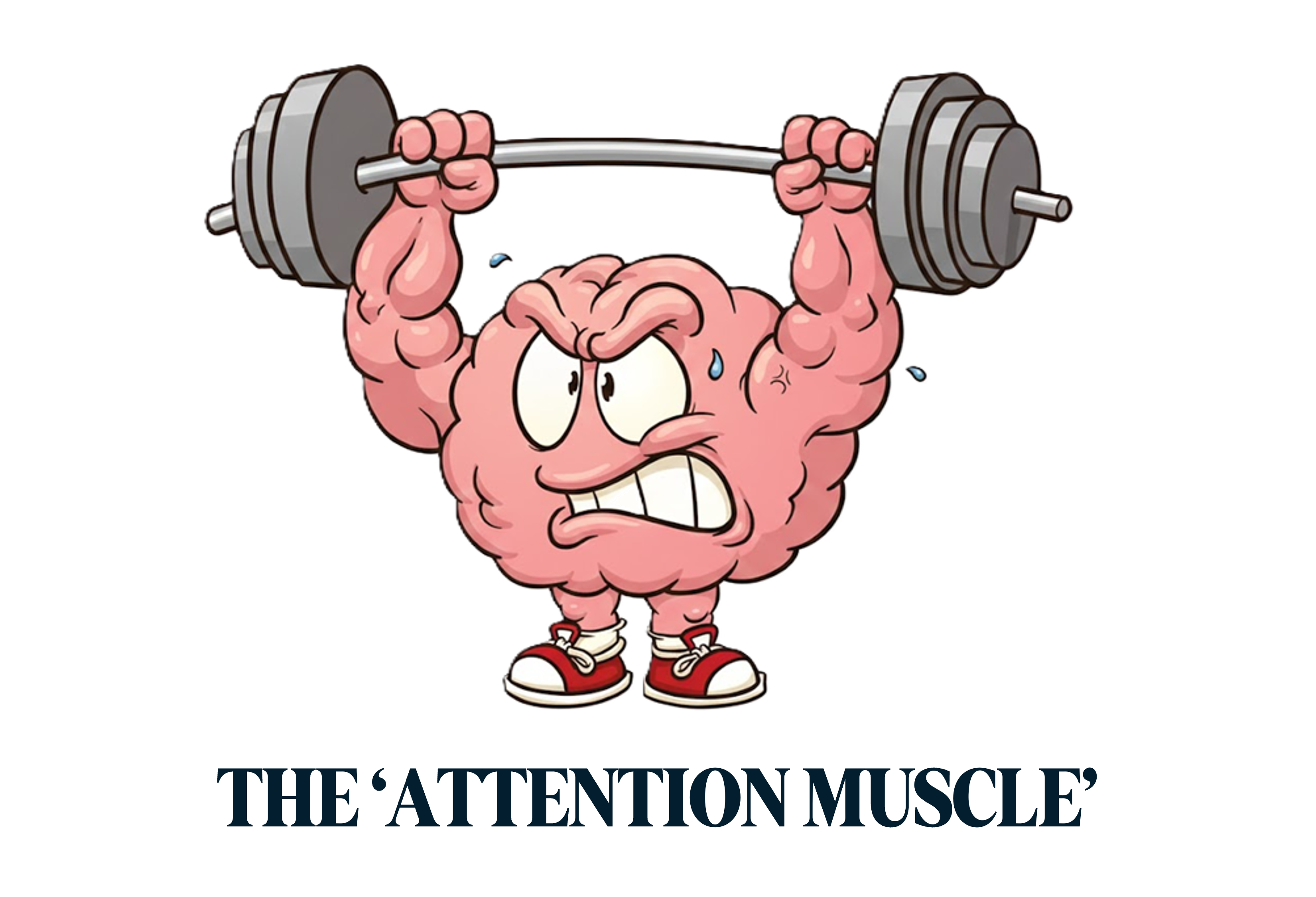 The second focus is rebuilding confidence. Instead of relying on results, we anchor confidence in controllable factors like preparation, effort, and habits. We also reset expectations, moving away from “I need to be back to my best now” toward consistent, gradual improvement. This reduces pressure and supports long-term progress.
The third area is managing thoughts and emotions. You’ll learn to recognise unhelpful patterns like overthinking or perfectionism and respond to them more effectively. We also build skills to manage frustration and anxiety so they don’t interfere with performance.
The second focus is rebuilding confidence. Instead of relying on results, we anchor confidence in controllable factors like preparation, effort, and habits. We also reset expectations, moving away from “I need to be back to my best now” toward consistent, gradual improvement. This reduces pressure and supports long-term progress.
The third area is managing thoughts and emotions. You’ll learn to recognise unhelpful patterns like overthinking or perfectionism and respond to them more effectively. We also build skills to manage frustration and anxiety so they don’t interfere with performance.
Slumps are a normal part of sport. But when handled properly, they can be a turning point, helping athletes build resilience, stronger mental skills, and more consistent performance over time.