"There are certain moments in competition where I wish I felt more confident and prepared before they happened. I’ve heard coaches, teammates, and top athletes talk about imagery as a useful mental skill, but I’m not really sure how it works or how to use it properly".
The following is a quote from Wayne Rooney:
“Part of my preparation is I go and ask what colour kit we're wearing. Then I’d lie in bed the night before the game and visualise myself scoring goals or doing well. You're trying to put yourself in that moment and trying to prepare yourself, to have a 'memory' before the game. I've always done it, my whole life.”
In sport psychology, this process is known as imagery or mental rehearsal, and it is one of the most widely used mental skills in sport. It involves deliberately imagining yourself performing a skill, movement, routine, or competition scenario without physically doing it. When used effectively, imagery can help build confidence, improve skill execution, manage nerves, and prepare athletes for important moments. It doesn’t replace physical practice, but it can be a powerful addition to performance preparation.
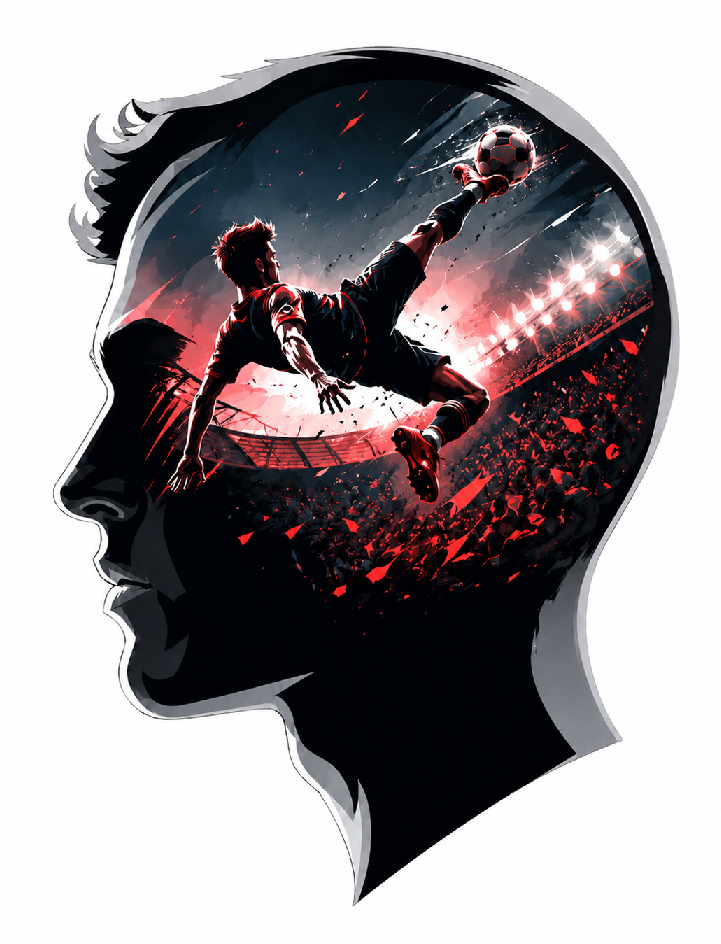
Imagery is the process of creating an experience in your mind without it actually happening. You might picture yourself taking a penalty, serving for the match, completing a gymnastics routine, or executing a particular play.
Although sometimes called ‘visualisation’, effective imagery is multisensory involving more than just what you can see. It can include:
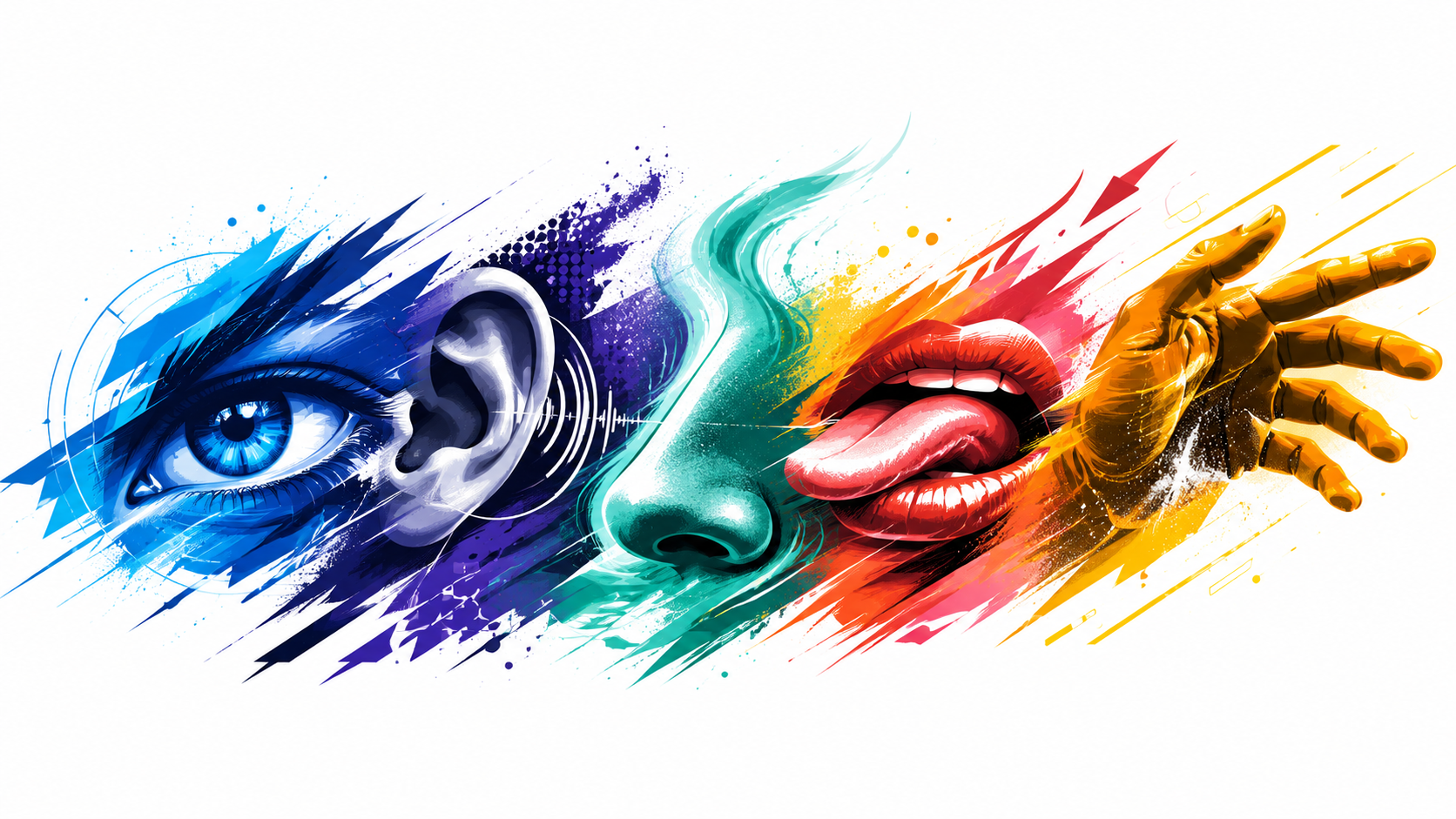
When imagery is vivid, it can start to feel surprisingly similar to actually performing.
One reason it can help is that imagining a movement activates some of the same brain networks involved in physically performing it. In simple terms, our brains aren't very good at distinguishing real from imagined. Imagery gives your brain more opportunities to rehearse movement patterns, strengthening the mental representation, or “blueprint”, of the skill.
Think about waking from a nightmare with your heart racing. Nothing dangerous was actually happening, but the imagined experience was vivid enough to create a real physical response. Sport imagery uses a similar principle in a much more deliberate way.
Research suggests mental practice can improve performance compared with doing no practice at all, although it cannot fully replace physical practice. Imagery can support several areas of performance:
Imagery is a skill in itself, and like any skill, it improves with structured practice.
PPP’s six-step imagery program is designed to develop this ability progressively. Rather than jumping straight into imagining an entire game or competition, we begin with simple image construction and gradually build towards more realistic, complex, and emotionally engaging performance situations.
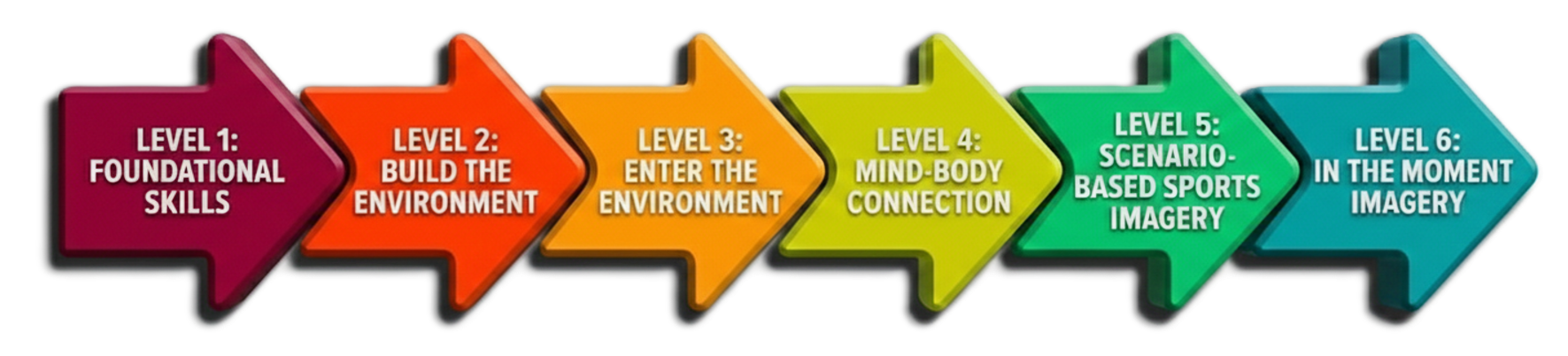
Across the program, athletes learn to make imagery clearer, more controllable, and more realistic. Guided imagery scripts are often used early on to provide structure before athletes become more confident using the skill independently.
We also work on evidence-based strategies to make imagery more effective, including:
Imagery can also be built into normal training and competition routines, for example, before training, the night before competition, during breaks in play, as part of a pre-performance routine, or during injury rehabilitation.
Imagery is most effective when it is treated as a skill to develop rather than a quick pre-game trick. With regular practice, athletes can use it to make important moments feel more familiar, rehearse effective responses, and prepare for both success and adversity. The goal is simple: when the moment arrives, it shouldn’t feel like the first time you’ve been there.